Top 10 Essential Skills Every Prepper Must Master: A Beginner’s Guide
Prepping and wilderness survival have become increasingly popular among beginners, outdoor enthusiasts, and experienced preppers alike. In this guide, we will discuss the top 10 essential prepper skills you need to master to increase your chances of survival in various scenarios.
From fire-starting to food procurement, these skills will help you stay prepared for anything.
1. Fire-Starting
Why Fire-Starting Is Essential
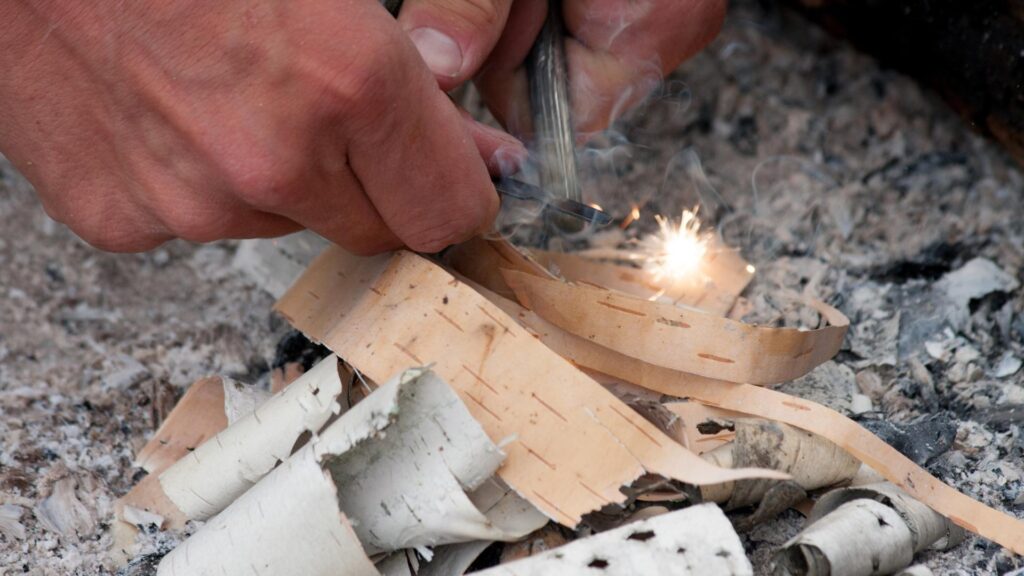
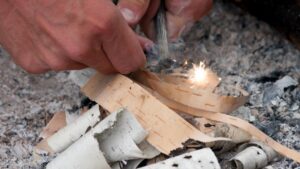
Fire is one of the most vital elements of survival, providing warmth, cooking food, and offering a sense of safety. As a prepper, mastering fire-starting techniques is essential.
How to Start a Fire
Friction-Based Methods
Friction-based fire-starting methods, such as the bow drill and hand drill, are fundamental techniques that require minimal tools and can be used in various environments.
Fire-Starting Tools
There are numerous fire-starting tools available, including ferrocerium rods, magnesium fire starters, and waterproof matches. Familiarize yourself with these tools and practice using them in different conditions.
2. Water Procurement and Purification
Finding Water
Knowing how to locate and collect water from natural sources, such as rivers, streams, and rainwater, is crucial in a survival situation.
Water Purification Techniques
Learn and practice various water purification techniques, including boiling, chemical treatments, and filtering to ensure safe drinking water.
3. Food Procurement
Hunting and Trapping
Understanding basic hunting and trapping methods will increase your chances of procuring food in the wilderness. This includes learning how to track animals, use snares and traps, and safely handle firearms or bows.
Fishing
Fishing is another valuable food procurement skill. Learn different techniques like hand fishing, using improvised fishing lines, and constructing fish traps.
Foraging
Being able to identify and gather edible plants, fruits, and mushrooms in your environment is an invaluable skill. Invest time in learning local flora and practice foraging in your area.
4. Shelter Building
Natural Shelters
Understand how to use natural features like caves, rock overhangs, and fallen trees to create temporary shelters with minimal effort.
Constructed Shelters
Learn how to build different types of shelters, such as lean-tos, debris huts, and snow caves, using materials found in your environment. Practice constructing these shelters to improve your speed and efficiency.
5. Navigation
Map and Compass Reading
Being able to read and navigate using a map and compass is a fundamental prepper skill. Invest time in learning these techniques and practice them regularly.
Natural Navigation
Understanding natural navigation techniques, such as using the sun, stars, and landmarks, can be invaluable when modern tools are unavailable. Familiarize yourself with these methods to supplement your map and compass skills.
6. First Aid and Medical Knowledge
Basic First Aid
Learn and practice basic first aid techniques, including CPR, wound care, and treating common injuries and illnesses. Regularly update your first aid kit and ensure you know how to use each item effectively.
Wilderness Medicine
Expand your medical knowledge to include wilderness medicine, focusing on treating injuries and illnesses with limited resources and in remote environments. Consider taking a wilderness first aid course to enhance your skills.
7. Knot Tying and Rope Work
Essential Knots
Master essential knots, such as the bowline, square knot, and clove hitch, to secure loads, create shelters, and perform various tasks in a survival situation.
Rope Maintenance
Learn how to properly maintain, store, and repair ropes to ensure their longevity and effectiveness in the field.
8. Signaling and Communication
Emergency Signals
Understand the importance of emergency signals, such as signal fires, mirror flashes, and whistle blasts, to alert rescuers or communicate with others in your group.
Alternative Communication Methods
Learn alternative communication methods, like hand signals and ground-to-air signals, to convey messages without the need for electronic devices or verbal communication.
9. Self-Defense and Security
Firearms Training
Learn proper firearm handling, maintenance, and marksmanship to ensure your personal safety and the security of your group.
Hand-to-Hand Combat
Invest in learning basic hand-to-hand combat techniques or self-defense courses to protect yourself and your loved ones in close-quarters situations.
10. Mental Preparedness and Adaptability
Stress Management
Develop stress management techniques, such as deep breathing and visualization, to maintain a clear head and make effective decisions in high-pressure situations.
Adaptability
Cultivate an adaptable mindset, allowing you to assess and adjust to changing situations quickly and efficiently. This skill is essential for overcoming unexpected challenges in the field.
In conclusion, mastering these top 10 essential prepper skills will significantly enhance your chances of survival in various scenarios. Practice these skills regularly, invest in learning new techniques, and continuously evaluate your preparedness to ensure you’re ready to ensure you’re ready for whatever challenges you may face.
By building a strong foundation in these core areas, you will become a more confident and competent prepper, better equipped to handle emergencies and adapt to the ever-changing demands of wilderness survival.
Additional Resources
For further learning and skill development, consider exploring the following resources:
- Local survival and prepping courses
- Online tutorials and instructional videos
- Books on wilderness survival and prepping
- Outdoor and survival clubs or meetups
Networking with other preppers and outdoor enthusiasts can also be a valuable way to share knowledge, learn new skills, and develop a support system within your community.
Final Thoughts
Remember that prepping and wilderness survival are ongoing processes that require constant learning and adaptation.
As you develop your skills and gain experience, you will inevitably uncover new challenges and areas for growth.
Stay curious, maintain a positive attitude, and continue to invest in your survival education to become the best prepper you can be.