Introduction
Imagine the joy and security of knowing that you can provide fresh, healthy food for your family, even in times of crisis. Welcome to the world of prepper gardening! In this comprehensive guide, you’ll learn how to build a prepper’s garden for self-sufficiency and embrace sustainable living, as well as survival gardening. Get ready to dive into a new way of life that’s not only fulfilling but also safeguards you and your loved ones during uncertain times.
11 Expert Tips on How to Build a Prepper’s Garden for Self-Sufficiency, plus some pro tips and FAQs.

Prepper Garden: Your Key to Sustainability
A prepper garden is more than just a simple backyard vegetable patch; it’s a well-planned, sustainable ecosystem designed to provide you with nutritious food year-round. By harnessing the power of permaculture principles, a prepper garden helps ensure that your family has a reliable food source even in challenging circumstances.
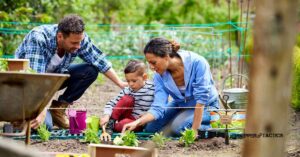
One inspiring example of a prepper garden is the journey of the Smith family. When they decided to move off the grid, they transformed their suburban lawn into a bountiful paradise. They incorporated raised beds, companion planting, and even aquaponics to create a highly productive garden that fed their family of five all year long.

Self-Sufficiency: Unlock the Power of Independence
The ultimate goal of building a prepper’s garden is achieving self-sufficiency. This means becoming less reliant on external resources, such as grocery stores, and more in control of your food supply. In today’s fast-paced world, many of us have lost touch with our food’s origins. By creating a self-sufficient garden, you can reconnect with nature and regain control over your family’s nutrition.
Take, for example, John and Mary, a couple who decided to build a self-sufficient homestead. They started by growing their vegetables, raising chickens for eggs, and eventually adding honeybees to their property. Over time, they were able to produce enough food to feed their family and even sell their surplus at the local farmers’ market.

Sustainable Living: A Lifelong Journey
Sustainable living is all about making choices that benefit both people and the planet. Building a prepper’s garden for self-sufficiency is a perfect example of sustainable living in action. By growing your food, you reduce your carbon footprint, minimize waste, and contribute to a healthier environment.
One inspiring story of sustainable living comes from the Green family. They transformed their urban property into a thriving oasis of edible plants, rainwater harvesting systems, and solar panels. Their dedication to sustainable living not only improved their family’s quality of life but also inspired their neighbors to adopt greener practices.

Survival Gardening: Growing Your Way to Resilience
Survival gardening is a critical aspect of a prepper’s garden for self-sufficiency. By focusing on hardy, nutrient-dense plants that can withstand adverse conditions, you can ensure a reliable food source even during emergencies. Survival gardening also involves learning essential skills like seed saving, composting, and natural pest control to keep your garden thriving.
Consider the story of the Johnson family. After experiencing a natural disaster, they realized the importance of growing their food. They began cultivating a survival garden filled with calorie-dense crops like potatoes, beans, and squash. This garden not only provided them with a sense of security but also taught their children valuable life skills.
Conclusion
Building a prepper’s garden for self-sufficiency is a rewarding and empowering journey. By embracing the principles of prepper gardening, self-sufficiency, sustainable living, and survival gardening, you can create a resilient food system that benefits both you and the environment.
Now is the perfect time to start your prepper garden and take the first steps toward a more sustainable and secure future. With each seed you plant, you’re cultivating a better tomorrow for yourself and your loved ones. So, grab your gardening gloves, gather your seeds, and embark on the exciting adventure of creating your prepper’s garden today!

PRO TIPS
! Here are some pro tips to help you build a successful prepper’s garden for self-sufficiency:
1. Start small and expand gradually: If you’re new to gardening, begin with a few easy-to-grow crops like lettuce, radishes, or tomatoes. As you gain experience and confidence, you can expand your garden to include a wider variety of plants.
2. Choose the right plants for your climate: Research your region’s growing conditions and select plants that are well-suited to your area. This will increase your chances of success and help you create a more resilient garden.
3. Rotate crops: Rotating crops helps prevent soil depletion and reduces the risk of pests and diseases. By changing the location of your plants each year, you can keep your soil healthy and maintain a productive garden.
4. Learn to preserve your harvest: To truly achieve self-sufficiency, it’s essential to learn how to store and preserve your harvest. Explore methods like canning, freezing, and dehydrating to extend the shelf life of your fruits and vegetables.
5. Practice water conservation: Water is a precious resource, and it’s essential to use it wisely in your garden. Incorporate techniques like rainwater harvesting, drip irrigation, and mulching to reduce water waste and ensure your garden’s long-term sustainability.
6. Share your knowledge with others: Building a prepper’s garden for self-sufficiency is not only about providing for yourself and your family; it’s also about fostering a strong sense of community. Share your gardening experiences, knowledge, and even your harvest with friends, neighbors, and fellow preppers. Together, we can create a more resilient and sustainable future for everyone.
Remember, the journey toward self-sufficiency and sustainable living is a continuous process. Embrace the challenges and celebrate your successes as you cultivate your prepper’s garden and build a better tomorrow. Happy gardening!
FAQ’S
Q1: What is a prepper’s garden?
A prepper’s garden is a well-planned, sustainable ecosystem designed to provide you with nutritious food year-round. It incorporates principles of permaculture and focuses on self-sufficiency, allowing you to be less reliant on external resources for your food supply.
Q2: How does a prepper’s garden contribute to self-sufficiency?
A prepper’s garden contributes to self-sufficiency by providing a reliable source of fresh, healthy food for you and your family. By growing your food, you reduce dependence on grocery stores and gain more control over your food supply, ensuring better nutrition and security.
Q3: What is the connection between sustainable living and a prepper’s garden?
Sustainable living involves making choices that benefit both people and the planet. A prepper’s garden is an example of sustainable living in action, as it helps reduce your carbon footprint, minimize waste, and contribute to a healthier environment.
Q4: What is survival gardening?
Survival gardening is an aspect of prepper gardening that focuses on growing hardy, nutrient-dense plants capable of withstanding adverse conditions. It ensures a reliable food source during emergencies and involves learning essential skills like seed saving, composting, and natural pest control.
Q5: How do I start my own prepper’s garden?
Begin by researching your region’s growing conditions and selecting plants suited to your area. Start small with easy-to-grow crops and gradually expand your garden as you gain experience. Incorporate principles of permaculture, crop rotation, water conservation, and preservation techniques to create a sustainable, resilient garden.
Q6: How can I conserve water in my prepper’s garden?
You can conserve water in your prepper’s garden by incorporating techniques like rainwater harvesting, drip irrigation, and mulching. These methods help reduce water waste and ensure your garden’s long-term sustainability.
Q7: How can I preserve my harvest to ensure self-sufficiency?
Explore methods like canning, freezing, and dehydrating to extend the shelf life of your fruits and vegetables. Learning to preserve your harvest allows you to store food for long periods, ensuring self-sufficiency even during times of scarcity or emergencies.
Q8: What are the best plants to grow in a prepper’s garden?
The best plants for a prepper’s garden are those that are hardy, nutritious, and easy to grow in your specific climate. Examples include potatoes, beans, squash, kale, tomatoes, carrots, onions, and various herbs. Consider growing heirloom varieties for their genetic diversity and ability to save seeds for future planting.
Q9: How can I protect my prepper’s garden from pests and diseases without using chemicals?
Use natural pest control methods like companion planting, introducing beneficial insects, and using homemade organic sprays made from ingredients like garlic, neem oil, or hot peppers. Regularly inspect your garden for signs of pests and diseases, and remove any affected plants promptly to prevent the spread.
Q10: How do I create a self-sufficient garden if I have limited space?
Maximize your space by using vertical gardening techniques like trellises, wall-mounted planters, and hanging baskets. Grow plants with high yields and small footprints, such as pole beans, tomatoes, and compact varieties of vegetables. Consider container gardening or using raised beds to make the most of your available space.
Q11: How can I ensure my prepper’s garden produces food year-round?
Plant a diverse range of crops with different growing seasons to ensure a continuous harvest. Use succession planting to stagger your planting dates, and consider incorporating cold frames or greenhouses to extend your growing season. Plan your garden carefully to optimize the use of space and resources.
Q12: How do I build healthy soil for my prepper’s garden?
Incorporate organic matter like compost, aged manure, or leaf mold to improve soil structure and fertility. Practice crop rotation and cover cropping to maintain soil health and reduce the risk of pests and diseases. Regularly test your soil to monitor nutrient levels and make necessary adjustments.
Q13: How do I save seeds from my prepper’s garden for future planting?
Choose open-pollinated or heirloom varieties, as they breed true from seed. Allow your plants to mature fully and collect seeds from healthy, disease-free plants. Dry and store seeds in a cool, dark, and dry location. Label your seeds with the plant variety and date of collection for future reference.
Q14: Can I grow fruit trees in my prepper’s garden?
Yes, fruit trees can be an excellent addition to a prepper’s garden, providing a long-term source of fresh fruit. Choose varieties suited to your climate and consider dwarf or semi-dwarf trees if space is limited. Proper pruning and care will ensure healthy, productive trees.
Q15: What are some ways to extend the growing season in my prepper’s garden?
Use cold frames, greenhouses, or hoop houses to protect your plants from frost and cold temperatures. Start seeds indoors to get a head start on the growing season, and use frost blankets or cloches to shield your plants from early or late frosts.
Q16: How can I incorporate livestock into my self-sufficient garden?
Integrating livestock like chickens, ducks, rabbits, or bees can help create a more self-sufficient garden ecosystem. These animals can provide eggs, meat, honey, or pollination services while also helping with pest control and contributing valuable manure for composting.
Q17: How do I plan and design my prepper’s garden for maximum efficiency?
Begin by researching your region’s climate and selecting suitable plants. Sketch a garden plan, taking into account factors like sunlight, water access, and crop rotation. Incorporate space-saving techniques like vertical gardening and succession planting to optimize your garden’s productivity. Regularly assess your garden’s progress and adjust your plan as needed.