As a seasoned survivalist, I understand the critical importance of water in any emergency or long-term survival scenario. Water is not just a resource; it’s a lifeline. In this comprehensive guide, I’ll share my expertise on how to store water safely and effectively in 5-gallon plastic jugs, ensuring that your emergency water supply remains potable and fresh for as long as possible.
Understanding the Importance of Long-term Water Storage
In the realm of survival, preparing for the unexpected is key. Whether it’s a natural disaster, a power outage, or a more severe emergency, having a reliable water supply can make the difference between life and death. Long-term water storage is not just about having water available; it’s about ensuring its safety and usability when you need it most.
Choosing the Right Containers: 5-Gallon Water Jugs
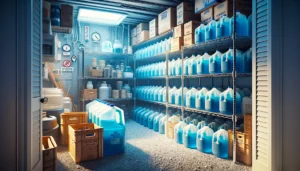
When it comes to storing water, not all containers are created equal. 5-gallon water jugs are a popular choice due to their size, portability, and convenience. However, it’s crucial to select food-grade plastic containers. These are designed to store consumables and are free from harmful chemicals that could leach into the water. Look for jugs labeled as HDPE (high-density polyethylene) or marked with a recycling number 2.
The Significance of Food-Grade Plastic Containers
Food-grade plastic is essential for safe water storage. These containers are made to hold consumables without transferring harmful chemicals into the water. Non-food-grade plastics, on the other hand, can release chemicals over time, especially when exposed to varying temperatures or direct sunlight.
Preparing Your Water for Storage
Before filling your jugs, ensure the water is potable. If you’re filling the jugs from a municipal water supply, it’s typically pre-treated and safe for storage. For well water or natural sources, consider boiling or using purification tablets to eliminate any pathogens.
Filling and Sealing the Jugs
Fill your jugs to the top, leaving minimal air space to prevent the growth of bacteria. Ensure the lids are tightly sealed to prevent contamination and evaporation. Label each jug with the date of storage to keep track of the water’s age.
Understanding Water Shelf Life
Water, in theory, doesn’t expire, but the quality can deteriorate over time. Factors like light, temperature, and container material can affect the taste and safety of stored water. In ideal conditions, properly stored water in food-grade plastic containers can remain safe for up to two years.
Best Practices for Water Storage
- Location: Store your water jugs in a cool, dark place away from direct sunlight and heat sources. Basements or insulated sheds are ideal.
- Temperature: Aim to keep the storage temperature stable, ideally between 50°F and 70°F.
- Avoid Contaminants: Keep your water jugs away from gasoline, kerosene, pesticides, or similar substances to prevent contamination through the plastic.
- Rotation: Practice a rotation system where you use and replace stored water periodically to maintain freshness.
Maintaining Water Quality
Regularly inspect your water supply for any signs of contamination or degradation. If the water appears cloudy, has an odor, or you suspect contamination, it’s safer to purify it before use. Boiling, filtration, or chemical purification can be used to ensure the water’s safety.
Hydration Preparedness: More Than Just Storage
Storing water is just one aspect of hydration preparedness. Understanding how to ration water, recognizing signs of dehydration, and knowing alternative water sources are equally important skills in a survivalist’s arsenal.
Conclusion
Storing water in 5-gallon plastic jugs is a practical and effective way to ensure a safe emergency water supply. By following these best practices, you can optimize the longevity and quality of your stored water, providing peace of mind and security in any survival situation. Remember, in the world of survival, water is not just a resource; it’s your lifeline. Stay prepared, stay hydrated, and stay safe.