The Ultimate Prepper Food Storage Guide for Long-Term Survival
When it comes to prepping, having well-stocked food storage is essential for long-term survival. In this guide, we’ll cover the importance of food storage for preppers, best practices, and the top survival foods to stockpile. We’ll also discuss various types of food storage and how to create a well-rounded survival food storage plan. So let’s dive in!
Why Food Storage is Important for Preppers
Food storage is a vital aspect of prepping for any emergency or disaster scenario. With a well-stocked pantry, you can ensure your family has access to nutritious meals even during extended periods of crisis. A well-planned food storage system can also provide comfort, normalcy, and security in uncertain times.
Prepping Food Storage Best Practices
Long Shelf-Life Pantry & Survival Food
When stockpiling food for long-term survival, it’s essential to choose items with a long shelf life. Look for non-perishable foods such as dried beans, rice, pasta, and canned goods. Here is a great resource to help you choose the right foods for your pantry.
Food that Gets Eaten Regularly
Include foods that your family enjoys and consumes regularly. This ensures that you rotate your stock and maintain freshness. Plus, it’s much easier to cope with a crisis when you have familiar foods on hand.
High-Calorie Foods
High-calorie foods provide energy and sustenance during emergencies. Look for items like peanut butter, nuts, and trail mix to keep you fueled.
Protein-Rich Survival Foods
Protein is crucial for maintaining muscle mass and overall health. Stock up on canned meats, beans, and lentils for a reliable protein source.
Easy Cook Meals
During emergencies, you may have limited resources for cooking. Opt for meals that require minimal preparation, like freeze-dried meals, instant rice, or canned soups.
Versatile Prepping Foods
Choose versatile ingredients that can be used in a variety of recipes. Items like rice, beans, and canned vegetables can be easily combined to create different meals.
Normalcy Survival Foods (Comfort Food)
Stock up on comfort foods like chocolate, coffee, and tea. These items can help lift spirits and provide a sense of normalcy during tough times.
Non-Refrigerated Prepping Foods
Focus on foods that don’t require refrigeration, such as canned goods, shelf-stable milk, and jerky. This will ensure your food supply remains safe even if you lose power.
Long-Term Food Storage Considerations
Food Storage Space
Consider the space you have available for food storage. Be creative with your storage solutions, using closets, under beds, or even constructing hidden storage areas.
Your Prepping Budget
Plan a budget for your food storage and stick to it. Look for sales, and bulk discounts, and consider growing your own food to save money.
Include Cooking Accessories
Don’t forget about cooking essentials like pots, pans, utensils, and a portable stove. These items will make meal preparation much easier during emergencies.
Your Family Size
Take your family size into account when planning your food storage. Ensure you have enough supplies to sustain everyone for an extended period.
Types of Prepping Food Storage
Prepackaged Long Term Foods
Companies like Mountain House and Augason Farms offer prepackaged long-term food storage options. These products are specifically designed for emergencies and have a long shelf life.
Pantry Foods
Stocking your pantry with everyday items like canned goods, pasta, and rice is a cost-effective way to build your food storage. Regularly rotate these items to maintain freshness.
Canned Foods
Canned foods are a staple in prepper food storage. They have a long shelf life, don’t require refrigeration, and are easy to prepare. Include canned fruits, vegetables, meats, and soups in your stockpile.
DIY Food Long-Term Storage
Creating your long-term food storage is another option. You can dehydrate fruits and vegetables, make jerky, or even can your goods. This can be a more affordable and customizable approach to building your food storage.
Have a Well-Rounded Survival Food Storage Plan
A successful prepper food storage plan should be well-rounded and diverse. Include a variety of foods that cater to different dietary needs, preferences, and cooking abilities. Rotate your stock regularly and continuously add to your supplies. With a well-thought-out plan, you can ensure your family is prepared for any emergency situation.
Remember to keep your food storage area clean, organized, and protected from pests. And don’t forget to include essential cooking tools, water, and other necessities in your prepping plan. By following these guidelines and best practices, you’ll be well on your way to creating the ultimate prepper food storage for long-term survival.
Additional Food Storage Tips and Tricks
To further enhance your prepper food storage, consider these additional tips and tricks to maximize efficiency and ensure you’re fully prepared for any emergency.
Create an Inventory System
Keep an inventory of your food storage, including the quantities and expiration dates of each item. This will help you keep track of what you have, and what needs to be replaced, and make meal planning easier during emergencies.
Prioritize Nutrition
While it’s important to have comfort foods and snacks, prioritize stocking nutrient-dense items like whole grains, nuts, seeds, and legumes. These foods provide essential vitamins and minerals that are crucial during times of stress and limited access to fresh produce.
Store Water and Beverages
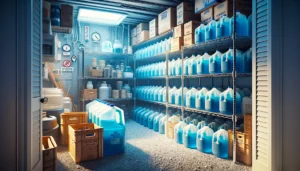
Adequate hydration is vital for survival. Be sure to store enough water for drinking, cooking, and sanitation. Consider storing powdered drink mixes and electrolyte supplements to add variety and maintain proper hydration levels.
Learn Preservation Techniques
Familiarize yourself with various food preservation techniques, such as canning, dehydrating, and pickling. This can help extend the shelf life of your food and add diversity to your storage.
Invest in Vacuum Sealing
Vacuum sealing can prolong the shelf life of many food items, including grains, beans, and meats. Investing in a vacuum sealer can help you save money in the long run and ensure your food remains fresh.
Plan for Special Dietary Needs
If anyone in your family has special dietary needs, such as allergies or specific health conditions, be sure to include suitable food options in your storage plan.
Practice Cooking with Your Stored Foods
Become familiar with cooking and creating meals using your stored food items. This will make meal preparation easier during emergencies and help you identify any gaps in your food storage.
Building a comprehensive and well-rounded prepper food storage takes time, planning, and ongoing maintenance. By considering the tips and best practices mentioned in this guide, you can create a food storage system that ensures your family’s long-term survival in any emergency situation. Stay prepared and stay safe!
Popular FAQs for Prepper Food Storage
- How much food should I store for an emergency? It’s recommended to store at least a three-day supply of non-perishable food for each person in your household. However, for long-term survival, it’s better to aim for a minimum of three months’ worth of food.
- How do I store water for long-term use? Store water in food-grade containers, away from direct
- sunlight and heat. Be sure to rotate your water supply every six months to maintain freshness. Ideally, you should have at least one gallon of water per person per day for drinking and sanitation.
- What is the best way to store canned goods? Store canned goods in a cool, dry, and dark location. Keep them organized by expiration date and regularly rotate your stock to ensure freshness.
- How can I make my food storage last longer? Proper storage conditions are key to prolonging the shelf life of your food. Store items in airtight containers, away from moisture and pests. Vacuum sealing and using oxygen absorbers can also help extend the shelf life of many items.
- What should I do if my food storage gets contaminated? If you notice any signs of contamination, such as mold, pests, or spoilage, discard the affected items immediately. To prevent contamination, maintain a clean and organized storage area and regularly inspect your supplies.
- How often should I rotate my food storage? Regular rotation is essential for maintaining freshness. Aim to rotate your stock every six months to a year, depending on the shelf life of each item.
- Is it safe to consume expired food from my storage? Some foods may still be safe to consume past their expiration date, depending on the item and storage conditions. However, it’s always best to err on the side of caution and discard any food that shows signs of spoilage, off odors, or bulging cans.
- Can I grow my food for long-term survival? Growing your food can be a cost-effective and sustainable way to supplement your food storage. Consider planting a garden, raising chickens for eggs, or even setting up a small aquaponic system to grow fish and vegetables.
- What is the best way to store food in small spaces? When space is limited, get creative with your storage solutions. Use under-bed storage containers, and stackable shelves, or even build hidden storage compartments within your furniture. Vertical storage, such as wall-mounted shelves or over-the-door organizers, can also help maximize space.
- How can I ensure my family’s dietary needs are met during an emergency? When planning your food storage, consider each family member’s dietary preferences, allergies, and health conditions. Include a variety of foods that cater to unique needs and ensure that you have enough supplies to accommodate everyone. Don’t forget to include vitamin and mineral supplements to help maintain overall health during times of limited access to fresh produce.