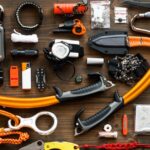
In today’s world, where unpredictability reigns, the importance of being prepared for emergencies cannot be overstated. Facing situations like natural disasters, vehicle breakdowns, or other unforeseen events, the presence of a well-prepared ‘get home bag‘ can be a crucial element in ensuring your safety. This article, inspired by expert advice and comprehensive guides available online, aims to equip you with the knowledge and insights needed to assemble an effective emergency bag that caters to your specific needs and circumstances.
Understanding the Get Home Bag
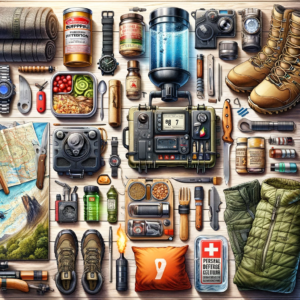
A ‘get home bag’ is designed to help you safely return home during an emergency when your primary mode of transportation is unavailable. It’s not a long-term survival kit but a practical solution for a period of 24 to 72 hours. The contents of this bag should be tailored to your specific needs, considering factors like family size, local climate, and typical travel distances.
1. Lighting
In any emergency, visibility is key. Your bag should include:
- A standard bike light for visibility on roads.
- A headlamp, preferably with a red light option to maintain a low profile.
- A solar-charged flashlight for sustainable lighting.
2. Self-Defense
While the specifics of self-defense tools will vary based on personal preference and local laws, consider including:
- A tactical pen and mace for non-lethal defense.
- A flashlight that doubles as a taser.
- Other self-defense items as per your discretion and legal allowances.

3. Tools
A set of basic tools can be invaluable in various situations:
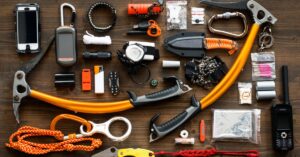
- A sturdy multi-tool for versatility.
- A fixed blade knife for reliability.
- A compact saw for cutting needs.
4. Medical Kit
Your medical kit should be more than just band-aids and antiseptics. Include:
- Sunblock, especially if you live in sunny areas.
- A tourniquet with instructions.
- Painkillers, blister care, and an Israeli bandage.
5. Water
Hydration is critical. Equip your bag with:
- A mini Sawyer filter for clean drinking water.
- A water key to access public water sources.
- Purification tablets for additional safety.
6. Stimulants and Electrolytes
For energy and hydration:
- Water-soluble stimulants for a quick energy boost.
- Electrolyte packets to prevent dehydration.
7. Sanitation
Maintaining hygiene is crucial:
- Toilet paper and wipes.
- Antiseptic alcohol for hand cleaning.
- Feminine hygiene products, if applicable.
8. Sleeping Gear
For rest in uncomfortable situations:
- A compact sleeping bivvy, prioritizing survival over comfort.
9. Navigation
Don’t rely solely on digital devices:
- Physical maps of your local and surrounding areas.
- A compass for direction.
- A GPS device as a backup.
10. Fire
The ability to start a fire can be a game-changer:
- Lighters and fire starters.
- Survival matches and flint and steel.
11. Basic Repairs
For unexpected repairs:
- Duct tape, zip ties, and paracord.
- Super glue, which can also serve for medical emergencies.
12. Shelter
Protection from the elements:
- A versatile sport utility blanket.
13. Food
Emergency rations should be:
- Non-perishable and require minimal preparation.
- Suitable for all family members.
14. Rain Gear
Stay dry to avoid hypothermia:
- Ponchos in discreet colors.

15. Communications
In case of a downed network:
- A ham radio for long-range communication.
- Walkie-talkies for local communication.
- A hand-crank radio with a flashlight and USB charging ports.
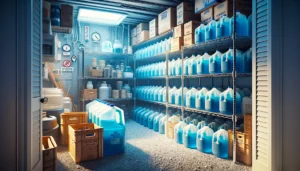
16. Water Storage
Keep additional water in your vehicle:
- Regularly rotated to ensure freshness.
17. Hand Protection and Bandana
For various practical uses:
- Durable gloves and a versatile bandana.
18. Funds
In case electronic transactions are not possible:
- Cash in small denominations.

Additional Considerations
Beyond the get home bag, consider keeping an additional bag in your vehicle with items like knee pads, LED lights, fix-a-flat, an air compressor, jumper cables, a tow rope, and extra first aid supplies. This bag complements your get home bag and can be invaluable in various scenarios.
Conclusion
Preparing a get home bag is a proactive step towards ensuring your safety and the well-being of your family in emergencies. Customize it to suit your specific needs, and remember, the best bag is the one that’s ready when you need it. Stay safe, stay prepared.