When disaster strikes, having an emergency preparedness plan can be the difference between life and death. One crucial component of this plan is a well-stocked bug-out bag. In this guide, we’ll provide step-by-step instructions on how to create a bug-out bag for the ultimate escape plan. We’ll cover essential survival gear, tips for organizing your bag, and how to create an evacuation plan.
1. What is a Bug-Out Bag?
A bug-out bag (BOB) is a portable kit containing items necessary for survival during an emergency or disaster. The primary purpose of a BOB is to enable you to evacuate quickly, should the need arise. It should contain enough supplies to last for a minimum of 72 hours.
2. Essential Survival Gear
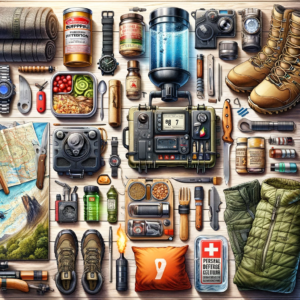
To create a comprehensive bug-out bag, you need to include the following items:
2.1. Water and Hydration
- Water (1 gallon per person per day): Store water in durable containers or use a portable water filter like the LifeStraw.
- Water purification tablets: In case you need to purify water from an unknown source.
2.2. Food and Nutrition
- Non-perishable food: Include items like energy bars, MREs (Meals Ready to Eat), and dehydrated meals.
- Portable cooking stove: Choose a lightweight and compact option like a Jetboil or similar.
- Utensils: A spork or compact mess kit will do.
2.3. Shelter and Warmth
- Emergency blankets: Reflective, lightweight blankets designed to retain body heat.
- Tarp: Can be used as a makeshift shelter or ground cover.
- Sleeping bag: Choose a lightweight, compact, and weather-appropriate option.
2.4. Clothing
- Extra clothes: Include a spare set of socks, underwear, and a moisture-wicking shirt.
- Rain gear: A lightweight poncho or rain jacket will keep you dry during wet weather.
- Sturdy shoes: Footwear should be durable, comfortable, and appropriate for various terrains.
2.5. First Aid
- First aid kit: Include items like adhesive bandages, gauze, antiseptic wipes, pain relievers, and any necessary prescription medications.
- Personal hygiene items: Toothbrush, toothpaste, soap, and toilet paper.
2.6. Tools and Equipment
- Multitool: A versatile tool like a Leatherman is essential for various tasks.
- Flashlight: Choose a durable, waterproof option with spare batteries or a solar-powered alternative.
- Firestarter: Matches, a lighter, or a magnesium fire starter are all useful options.
2.7. Communication and Navigation
- **Emergency radio
**: A hand-crank or solar-powered radio for weather updates and important announcements.
- Whistle: Useful for signaling help in case of an emergency.
- Maps: Local and regional maps can be crucial for navigation during an evacuation.
- Compass: A reliable compass will help with navigation and orientation.
- Mobile phone and charger: Include a portable charger or solar charger to keep your phone charged.
2.8. Personal Documents and Cash
- Identification: Copies of important documents such as ID, passport, and driver’s license.
- Emergency contact list: Include phone numbers and addresses for family, friends, and local emergency services.
- Cash: Have a stash of small bills and coins for emergency purchases.
3. Organizing Your Bug-Out Bag
A well-organized bug-out bag makes it easier to access items quickly during an emergency. Follow these tips to ensure your bag is properly organized:
- Choose the right bag: Opt for a durable, weather-resistant backpack with multiple compartments and comfortable straps.
- Categorize your items: Group items by their purpose (e.g., shelter, food, and first aid) and store them in separate compartments or Ziploc bags.
- Prioritize accessibility: Place frequently used items (like flashlights and multitools) in easy-to-reach pockets.
- Balance weight distribution: Distribute heavy items evenly across the bag to avoid strain on one side.
- Label your items: Clearly label each compartment or Ziploc bag to quickly identify its contents.
4. Creating an Evacuation Plan
A well-prepared bug-out bag is only part of the equation. You also need a solid evacuation plan to ensure your safety during an emergency. Consider the following steps when creating your plan:
- Identify potential threats: Understand the possible disasters in your area (e.g., earthquakes, hurricanes, wildfires) to create a tailored response plan.
- Designate a meeting place: Choose a safe location where your family can gather during an emergency if you’re separated.
- Plan multiple evacuation routes: Identify several escape routes from your home and community to avoid potential roadblocks or hazards.
- Establish communication protocols: Determine how your family will communicate during an emergency (e.g., texting, social media, or a designated out-of-town contact).
- Practice your plan: Regularly review and practice your evacuation plan to ensure everyone is familiar with their responsibilities.
5. Conclusion
Creating a well-stocked bug-out bag and an effective evacuation plan are essential components of emergency preparedness. By following the guidelines in this guide, you’ll be better equipped to handle unexpected emergencies and protect yourself and your family during a crisis. Remember, being prepared is the key to staying safe during challenging times.
6. Maintaining Your Bug-Out Bag
Once you’ve assembled your bug-out bag and created an evacuation plan, it’s essential to keep them up-to-date and in good condition. Follow these maintenance tips to ensure your bug-out bag is always ready:
- Regularly inspect your gear: Check the condition of your items periodically and replace any worn-out or damaged gear.
- Rotate perishable items: Replace food and water supplies, as well as any medications, to ensure they haven’t expired.
- Update personal documents: Ensure that copies of identification and emergency contact information are current.
- Reassess your needs: As your family situation changes (e.g., a new baby, medical conditions), update the contents of your bug-out bag accordingly.
- Review your evacuation plan: Keep your evacuation plan updated, considering any changes to your local environment or potential hazards.
7. Customizing Your Bug-Out Bag
While the items listed above are generally essential for any bug-out bag, you may want to customize your bag to fit your specific needs and preferences. Consider the following additions:
- Personal items: Include items like prescription glasses, hearing aids, or other personal medical devices.
- Entertainment: Pack a compact book, deck of cards, or other small items to help pass the time during an emergency.
- Extra batteries: Bring additional batteries for your electronic devices, such as flashlights, radios, and mobile phones.
- Specialized tools: Depending on your skillset or the potential threats in your area, you may want to include items like a folding saw, fishing kit, or a small solar panel for charging devices.
Remember, the key to a successful bug-out bag is to tailor it to your specific needs, while maintaining a balance between weight and utility. The more comfortable and confident you are with your bug-out bag, the better prepared you’ll be to face any emergency situation.
8. Bug-Out Bag for Pets
If you have pets, it’s essential to consider their needs when preparing for an emergency. Create a separate pet bug-out bag containing the following items:
- Food and water: Pack enough pet food and water to last for a minimum of 72 hours.
- Collapsible food and water bowls: Lightweight and portable options are ideal for emergencies.
- Leash, harness, and collar: Ensure you have the necessary equipment to secure and control your pet during an evacuation.
- Medications and medical records: Include any essential medications and a copy of your pet’s medical records in a waterproof container.
- Pet carrier: Choose an appropriately sized carrier that is comfortable for your pet and easy for you to carry.
- Toys and comfort items: Pack a familiar toy or blanket to help keep your pet calm during a stressful situation.
- Waste disposal supplies: Include items like poop bags, a small litter box, or litter for cats.
- Identification and contact information: Ensure your pet’s ID tag and microchip information are up-to-date and include a recent photo of your pet in case they get lost.
9. Educating Your Family
Involving your family in the emergency preparedness process is crucial to ensure everyone understands their responsibilities during a crisis. Teach your family members about the contents of the bug-out bag and how to use each item. Discuss your evacuation plan and practice it together. Encourage open communication and address any concerns or fears they may have.
10. Further Resources
For more information on emergency preparedness and building a bug-out bag, consider exploring the following resources:
- Ready.gov – A comprehensive guide to emergency preparedness, including information on natural disasters, man-made emergencies, and family preparedness plans.
- American Red Cross – Offers tips and resources for emergency planning and response, including how to build a disaster supplies kit.
- FEMA (Federal Emergency Management Agency) – Provides detailed information on disaster preparedness, response, and recovery.
By taking the time to educate yourself and your family, you’ll be better prepared to handle any emergency situation that may arise.
Remember, the key to a successful escape plan and bug-out bag is to tailor it to your specific needs, maintain and update it regularly, and involve your entire family in the process. This proactive approach will help ensure your safety and well-being during a crisis.