The Importance of Food Storage and Preservation for Survival and Disasters.

Why food storage and preservation are important.
Food storage and preservation are crucial for several reasons: Essential Tips for Storing and Cooking Disaster Survival Foods
Ensuring food security:
By preserving food, we can ensure that we have enough food to last us for a long time, even in emergencies.
Ensuring food security refers to the availability and accessibility of sufficient, safe, and nutritious food to meet the dietary needs and food preferences of all individuals at all times.
By preserving food, through methods such as refrigeration, freezing, canning, or drying, we can extend its shelf life and reduce the likelihood of spoilage.
This allows us to build up a supply of food that can be relied upon in times of crisis or emergency, such as natural disasters, economic downturns, or other unexpected events that may disrupt food supplies.
In this way, food preservation plays a crucial role in ensuring food security and reducing the risk of hunger and malnutrition.
Saving Money
Food preservation helps reduce food waste and saves money by allowing us to buy food in bulk and store it for later use.
Saving money is one of the key benefits of food preservation. By preserving food, we can reduce food waste and extend the shelf life of the food we purchase.
This allows us to buy food in bulk when it is often cheaper, and store it for later use, reducing the need to buy fresh food as frequently.
In addition, preserving leftovers from meals can reduce the amount of food thrown away, further reducing waste and saving money.
By avoiding spoilage and waste, food preservation helps us make the most of our food budget and keep more of our hard-earned money in our pockets.
Providing Nutritious Meals:
Proper food storage and preservation help maintain the nutritional value of food, ensuring that we are consuming nutritious meals even in emergencies.
Providing nutritious meals is an important aspect of food security, and food preservation plays a crucial role in this regard.
When food is properly stored and preserved, it helps to maintain its nutritional value and prevent the loss of important vitamins, minerals, and other nutrients.
For example, refrigeration can slow down the process of spoilage, allowing food to retain its nutritional value for a longer period of time.
Proper canning and freezing can also help to lock in the nutrients, ensuring that the food remains nutritious even after prolonged storage.
In emergency situations
Such as natural disasters or economic downturns, having a supply of preserved, nutritious food can be essential in ensuring that individuals have access to the nutrients they need to stay healthy.
This can be especially important for vulnerable populations, such as children and elderly individuals, who may be more susceptible to malnutrition and its associated health risks.
By preserving food and ensuring its nutritional value, we can help to provide nutritious meals even in challenging circumstances, supporting food security and overall health and well-being.
Methods of food storage and preservation
There are several methods of food storage and preservation, including:
Canning: Involves preserving food in airtight containers to prevent spoilage.
Freezing: This involves storing food at low temperatures to slow down the growth of bacteria and other microorganisms.
Dehydration: Involves removing moisture from food to prevent spoilage.
Fermentation: Involves using bacteria to preserve food, such as pickling vegetables or making yogurt.
Essential items for food storage and preservation
To effectively store and preserve food, there are several essential items you need, including:
Airtight containers: To prevent food from getting contaminated by air and other substances.
Freezer: To store food at low temperatures.
Dehydrator: To remove moisture from food.
Canning equipment: To preserve food in airtight containers.
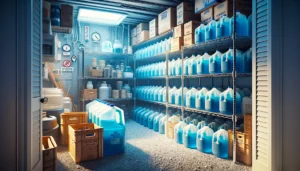
Proper storage facilities: A cool, dry place to store food and prevent spoilage.
Importance of food storage and preservation in disasters
In disasters, food storage, and preservation become even more critical.

The importance of food storage and preservation in disasters cannot be overstated.
In emergency situations, such as natural disasters, political unrest, or other unexpected events, the food supply chain can be disrupted, leading to shortages and making it difficult to access fresh and nutritious food.
In these situations, having a supply of properly stored and preserved food can be a lifesaver, providing individuals with the essential nutrients they need to stay healthy.
Food preservation can help to extend the shelf life of food, reducing the risk of spoilage and waste, and allowing individuals to have a reliable source of food even in the absence of fresh options.
This can be especially important in areas where food is scarce, or where individuals are forced to rely on aid organizations for their food supply.
By preserving food, we can ensure that individuals have access to a nutritious and sustainable food source even in the most challenging circumstances.
In addition to providing a reliable source of food, proper food storage and preservation can also help to reduce the spread of food-borne illnesses, a common risk in disaster situations where food handling and storage practices may be disrupted.
By preserving food in a safe and hygienic manner, we can reduce the risk of food-borne illness and ensure that individuals have access to safe and nutritious food even in the most challenging circumstances.
Conclusion:
In conclusion, food storage and preservation are essential for ensuring food security, saving money, providing nutritious meals, and preparing for emergencies.
In conclusion, food storage and preservation are crucial elements of a comprehensive approach to food security.
By preserving food, we can extend its shelf life, reduce the risk of spoilage and waste, and ensure that individuals have access to a reliable source of food even in times of crisis or emergency.
This not only saves money by allowing us to buy food in bulk but also helps to maintain the nutritional value of the food, ensuring that individuals have access to nutritious meals even in challenging circumstances.
In addition to these benefits, food storage and preservation play a critical role in preparing for disasters and other unexpected events.
By having a supply of properly stored and preserved food, individuals can better weather the challenges of emergencies, reducing the risk of hunger, malnutrition, and food-borne illness.
In this way, food storage and preservation are essential components of a robust food security strategy, supporting health and well-being, and helping to ensure that individuals have access to safe and nutritious food at all times
By following proper methods and having the essential items, you can ensure that you have a supply of safe and nutritious food for yourself and your loved ones.